
Markets we know
Local service businesses
The customer is close, the need is real and the decision takes minutes.
Start a conversationWhat it is
Local service businesses win on proximity and reputation. The clinic, the firm, the tradespeople down the road. Their customers search on a phone when something needs fixing or booking, usually ready to act, and Google reports that 76 per cent of local mobile searches lead to a visit within a day. The marketing job is being found fast, looking trustworthy in seconds and being easy to reach. This page covers the markets we know in this world, what changes in each and what stays the same.
The rest of this page covers what changes when the customer is local, the markets we work in, and where to start.
What changes when the customer is local
The decision is fast
Nobody researches a plumber for three weeks. The search happens on a phone, often in a hurry, and the first credible option gets the call. That speed changes everything upstream. The site has to load fast on a mediocre connection. The phone number has to be tappable. The hours have to be right. A slow page does not lose a ranking here, it loses a customer who has already called someone else.
The map is the market
For most local searches the map pack sits above everything else, and being in those three results matters more than being first below them. That makes the listing itself a marketing asset. Correct details everywhere, real photos, categories chosen properly and a steady flow of genuine reviews. Most local businesses lose the map pack on details rather than destiny.
Reputation is public and permanent
A local customer reads reviews before they call anyone. Not the star average alone, the recent ones, and how the business answers the bad ones. A thoughtful reply to an unhappy customer convinces more people than a dozen five-star ratings, because it shows what happens when something goes wrong. That is the moment local buyers actually care about.
The work is never finished
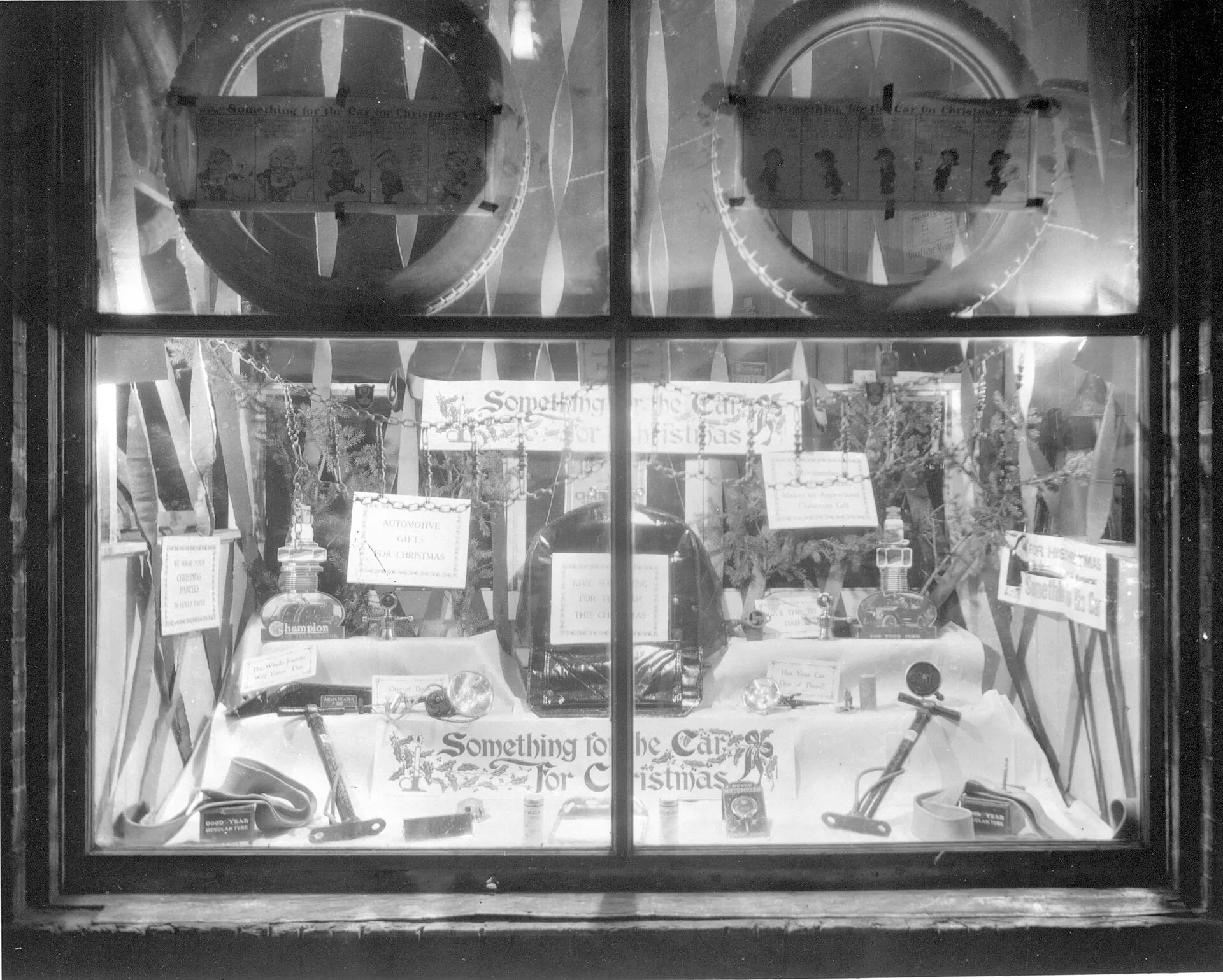
Local marketing is less like a campaign and more like the shop window in the picture above. It needs tending. Listings drift, reviews arrive, seasons change, competitors open. The businesses that win treat their presence as something maintained weekly rather than launched once, and we build the work around that reality rather than pretending otherwise.
The markets we work in
These are the local markets we know well enough to be useful in on day one. Each has its own rules of thumb and its own leak.
- Trades and home services. Emergency intent, the map pack decides the call, and the review count closes it.
- Automotive. Car dealerships and service work, where the buyer compares stock and reviews before they ever make contact.
- Clinics and practices. The local end of healthcare, where proximity and trust both carry weight. The regulated side of the same world sits in our healthcare work.
- Law firms. Local professional services, where a reputation and a clear explanation of what happens next win the enquiry.
- Property. Estate agents and lettings, where the search is local and the comparison is public.
What stays the same
Whatever the market, the work is the same four things. The weighting changes with the rules and the buying decision. The shape does not.
Be found
Search visibility, the map pack and AI answers.
Be chosen
The pages, the offers and the follow-up that win the call.
Be talked about
Reviews, reputation and the stories worth telling locally.
Be proved
Measurement that shows which work brought the bookings.
Questions we get asked
What makes marketing for local service businesses different?
The buying moment. Someone whose boiler has died or whose tooth is aching searches on a phone and acts the same day. Google reports that 76 per cent of local mobile searches lead to a visit within a day. That means the work is about being found fast, looking trustworthy in seconds and being easy to reach. Proximity and reputation do the selling before anyone speaks to you.
Do small local businesses need SEO or just Google Ads?
Both earn their place and they do different jobs. Ads buy the urgent searches now. SEO and the map pack win the same searches for free next quarter and the quarter after. The businesses that struggle usually have one without the other. The honest starting point is whichever fixes the leak first, and the audit shows which that is.
How do reviews fit into the marketing?
They are the marketing. Before a local customer calls anyone they read reviews and look at the map. Earning them steadily, answering them properly and keeping the details consistent everywhere does more than most campaigns. We help build the habit, because a review programme nobody maintains is worse than none.
We are a small operation. Is this not all too big for us?
The work scales down honestly. A single tradesperson needs a correct listing, a fast site, a few real pages and a habit of asking for reviews. That is not a giant programme. We scope to what the business can absorb and what the leak is worth, and we say plainly when the answer is a day of fixes rather than a retainer.
Tell us what you are trying to grow, or what is in the way. The first conversation costs nothing.